
Ecopha Group Inc. (ECOPHA) is a biotechnology company originally founded in Malaysia in 2008. Since 2013, the company has relocated its headquarters and all principal business operations to Australia, and was incorporated in Delaware, USA in 2024 in preparation for a planned Nasdaq IPO within the next five years. ECOPHA strives to provide the world a sustainable alternative to regular plastic, which is a primary reason for pollution and deterioration of the ecosystem.
ECOPHA derives its bioplastic products by arriving at polyhydroxyalkanoates, a fully biodegradable polymer. Bioplastic products developed by ECOPHA happen to be 100% bio-based, biodegradable, and home compostable. While bioplastics are required in varied fields, which include the agriculture industry and printing industry, ECOPHA offers specialized focus to provide sustainable packaging options that align with the specific needs of pharmaceutical industries.
Establishment of the eco-friendly ECOPHA
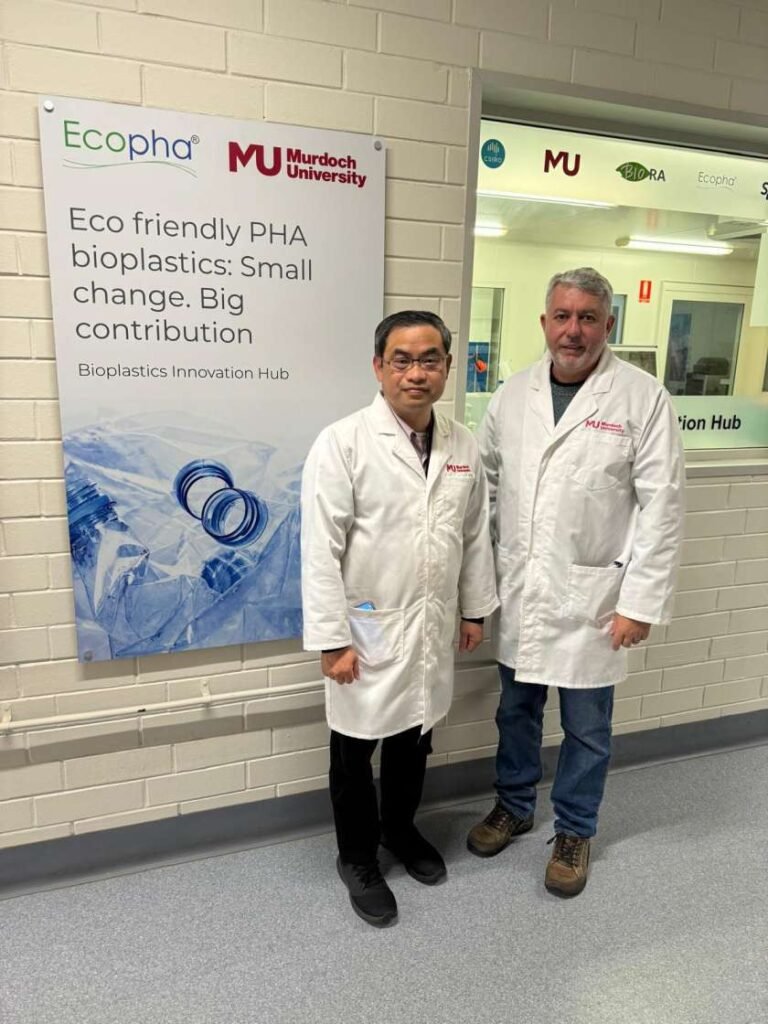
Ecopha Group Inc. was established by a clear and urgent mission: to solve global climate and plastic pollution challenges by replacing fossil-based materials and fuels with truly sustainable alternatives.
After more than two decades in biopolymers and biomanufacturing, Wilson Ling, the CEO of ECOPHA, realized that many so-called green solutions were either dependent on food crops, difficult to scale, or not commercially viable. So, he founded ECOPHA to take a different path using exclusive non-food feedstock, Pongamia oil, to produce both PHA bioplastics and Sustainable Aviation Fuel (SAF) at an industrial scale.
The real driving force behind ECOPHA is the belief that sustainability must work economically, technologically, and globally. By building a platform that integrates advanced biotechnology, biomanufacturing, and AI-driven optimization, Ecopha Group Inc. enables scalable solutions across materials and energy.
ECOPHA’s goal is not just to build an eco-friendly brand but to create a global impact platform that helps decarbonize industries, eliminate plastic waste, and support the transition to a sustainable future to truly help save the world.
Composition of EcoPHA Bioplastics & SoloPHA Biofuels
EcoPHA bioplastics are based on polyhydroxyalkanoates (PHA), a family of naturally occurring biopolymers produced through microbial fermentation. Ecopha Group Inc. uses Pongamia oil, an exclusive non-food, non-edible, and regenerative feedstock, as the carbon source for the fermentation process. This enables the production of 100% bio-based, biodegradable, and compostable plastics that can naturally break down in soil, marine, and industrial environments without generating microplastics.
SoloPHA biofuels include Sustainable Aviation Fuel (SAF) and biodiesel, both derived from the same Pongamia oil feedstock. Through advanced biorefinery and catalytic conversion technologies, SoloPHA fuels are designed to be drop-in compatible with existing aviation and diesel infrastructure. This results in significant reductions of lifecycle carbon emissions without competing with food crops or arable land.
By using a single, non-food feedstock platform to produce both advanced materials and clean fuels, Ecopha Group Inc. has built an integrated, circular, and highly scalable system. This platform approach allows us to address plastic pollution and transportation emissions at the same time, accelerating the global transition to a low-carbon and sustainable future.
The Significance of Sustainable Alternatives
The primary goal of ECOPHA is to replace fossil-based plastics and fuels with sustainable alternatives that can scale globally without disrupting existing industries.
At Ecopha Group Inc., EcoPHA is the brand for PHA bioplastics, designed to eliminate plastic pollution by offering fully bio-based and naturally biodegradable materials. SoloPHA happens to be the biofuels brand, producing Sustainable Aviation Fuel (SAF) and biodiesel to significantly reduce carbon emissions from transportation. Both EcoPHA and SoloPHA are derived from the same non-food, non-edible feedstock, Pongamia oil.
By building two complementary brands on a single sustainable feedstock platform, the goal is to remove fossil carbon from both materials and energy. This approach allows industries to adopt cleaner solutions without changing infrastructure while delivering real environmental impact at scale.
Ultimately, the mission is simple but ambitious: to solve plastic pollution and decarbonize transport at the same time and to help accelerate the transition to a circular, low-carbon global economy, which is to truly help save the world.
Everyday Bioplastic Products of EcoPHA
EcoPHA bioplastics are already being used in a wide range of everyday products where sustainability and performance both matter. These include compostable food and beverage packaging such as cups, lids, straws, cutlery, and takeaway containers; flexible packaging like films and bags; and paper–plastic hybrid products, where EcoPHA replaces conventional plastic coatings on paper cups and packaging.
EcoPHA materials are also suitable for agricultural films, disposable medical and hygiene products, and consumer goods that require durability during use but safe biodegradation at the end of life. Because EcoPHA bioplastics are fully biodegradable in natural environments, they help prevent long-term plastic and microplastic pollution. EcoPHA stands out because these products are not merely prototypes. This is because they are commercially viable, scalable, and compatible with existing manufacturing processes. This allows brands and institutions to switch to sustainable materials without sacrificing performance or cost competitiveness.
The Revolutionary EcoPHA Bioplastic Technology
EcoPHA bioplastic technology represents a fundamental shift in how sustainable materials are designed and produced. EcoPHA is revolutionary because Ecopha Group Inc. is the first in the world to use a non-edible oil such as pongamia oil as the primary feedstock to produce PHA bioplastics. Unlike conventional bioplastics that rely on sugar, corn, or food-based oils, this technology avoids competition with the food supply and enables truly sustainable, large-scale production.
This proprietary process converts Pongamia oil into high-performance PHA biopolymers through advanced microbial fermentation and downstream processing. This results in a material that is 100% bio-based, naturally biodegradable, and free from microplastics, while still meeting industrial performance requirements.
To protect this breakthrough, ECOPHA has filed and registered a PCT patent, securing global intellectual property rights for our technology. Besides validating the novelty of EcoPHA, this establishes a strong foundation for global commercialization.
In simple terms, EcoPHA bioplastic is not just a new material, but it is a new platform for sustainable plastics, designed to scale globally and help solve the plastic pollution crisis at its root.
Cost-effectiveness of Bioplastics & Biofuels
EcoPHA bioplastics and SoloPHA biofuels are designed not only to be sustainable but also to be commercially viable and cost-competitive in today’s global market.
By using Pongamia oil, a non-food, widely available, and renewable feedstock, Ecopha Group Inc. significantly reduces input costs compared with conventional bioplastics and fuels that rely on sugar, corn, or edible oils. The integrated platform approach, which is producing both bioplastics and biofuels from the same feedstock, allows economies of scale and operational efficiency, lowering the overall production cost per ton.
Additionally, EcoPHA bioplastics and SoloPHA biofuels are compatible with existing manufacturing and supply chains, minimizing infrastructure and transition costs for partners. When factoring in regulatory incentives, carbon credits, and the growing consumer demand for sustainable products, these solutions are increasingly cost-effective versus fossil-based plastics and fuels.
In short, EcoPHA products deliver environmental benefits without compromising economic competitiveness, enabling industries to transition to sustainability at scale and at a reasonable cost.
Soaring Scope for EcoPHA Bioplastics
EcoPHA bioplastics can replace conventional plastics across multiple sectors, especially where single-use or short-lifecycle plastics are dominant.
The food and beverage industry is a major sector, including packaging, cups, lids, cutlery, straws, takeaway containers, and flexible films. Retail and e-commerce can also benefit by using EcoPHA bioplastic for bags, wrapping, and protective packaging.
Other important sectors include agriculture, for biodegradable mulch films and plant pots; healthcare and hygiene, for disposable medical tools, gloves, and packaging; and consumer goods, where EcoPHA bioplastic can replace plastic components in everyday products without compromising performance.
By offering fully biodegradable and compostable materials, EcoPHA bioplastic enables these sectors to reduce plastic waste, meet sustainability goals, and respond to regulatory pressures. Essentially, any industry that uses short-life or disposable plastics can make the most of this technology.
Significance of Bioplastics in Pharmaceutical Packaging
Pharmaceutical packaging is a particularly significant focus for EcoPHA bioplastics.
Pharmaceutical products demand high safety, durability, and regulatory compliance, while the industry is increasingly under pressure to reduce plastic waste and meet sustainability targets. EcoPHA bioplastics offer a 100% bio-based, biodegradable, and non-toxic solution that meets the stringent quality and safety standards required for pharmaceuticals.
By using EcoPHA bioplastic for blister packs, bottles, and secondary packaging, pharmaceutical companies can reduce environmental impact without compromising product integrity or shelf life. This not only supports corporate sustainability goals but also aligns with growing regulatory and consumer expectations for greener, safer packaging in healthcare.
In essence, focusing on pharmaceutical packaging allows EcoPHA bioplastics to deliver maximum environmental benefit in a sector where safety, quality, and sustainability must go hand in hand.
Efficient Integration of AI Technology
Integrating AI technology is a key driver of Ecopha Group Inc.’s ability to innovate and scale efficiently. ECOPHA uses AI to optimize microbial fermentation, bioprocessing, and production parameters for both EcoPHA bioplastics and SoloPHA biofuels. By combining machine learning with process data, AI helps to predict yields, reduce waste, and improve consistency, which accelerates research, development, and commercial production.
Beyond manufacturing, AI supports supply chain optimization, demand forecasting, and energy efficiency, ensuring that carried-out operations remain cost-effective and environmentally sustainable.
In a rapidly evolving industry, ECOPHA leads the game by delivering high-quality, scalable, and competitive products by utilizing AI technology. This helps in reducing time-to-market, a critical advantage for a global sustainability platform.
Obstacles in the Bioplastics Industry
There are considerable challenges in actualizing bioplastics in a world still dominated by conventional plastics.
The main obstacles include cost competitiveness, scale of production, and industry adoption. Traditional plastics benefit from decades of infrastructure, supply chains, and low-cost production, which makes switching to bioplastics a significant change for manufacturers. Consumer awareness and demand are growing, but large-scale adoption still requires education, incentives, and supportive policies. Ecopha Group Inc. addresses these challenges by developing scalable production technologies using non-food feedstock like Pongamia oil, integrating AI for process efficiency, and creating commercially viable products like EcoPHA bioplastics. By working closely with brands, universities, and governments, we accelerate adoption and prove that bioplastics can be both sustainable and economically practical.
Ultimately, while the transition is not without hurdles, ECOPHA considers them as opportunities to reshape the industry and lead the shift toward a circular, low-carbon economy.
The Coexistence of Bioplastics & Biofuels for a Sustainable Future
Bioplastics and biofuels are essential pillars of a sustainable future, and Ecopha Group Inc. is demonstrating that they can coexist and scale simultaneously.
By using the same non-food, renewable feedstock—Pongamia oil—EcoPHA produces bioplastics to address plastic pollution and SoloPHA biofuels (SAF and biodiesel) to decarbonize transportation. This integrated approach creates a circular, highly efficient system where a single feedstock can deliver impact across multiple sectors.
The future is not about choosing between cleaner materials or cleaner energy—it is about building platforms that deliver both, reducing emissions, waste, and dependence on fossil resources at the same time. With scalable production, AI-driven optimization, and global partnerships, bioplastics and biofuels will become mainstream solutions, enabling industries worldwide to transition sustainably.
At Ecopha, the mission is clear: to accelerate this transition and truly help save the world.
The Ultimate Vision of ECOPHA
The ultimate vision of Ecopha Group Inc. is to create a world where fossil-based plastics and fuels are no longer the default, replaced instead by sustainable, scalable, and circular solutions.
ECOPHA aims to lead the global transition by producing EcoPHA bioplastics that eliminate plastic pollution and SoloPHA biofuels that decarbonize transportation, all from non-food, renewable feedstock like Pongamia oil. Beyond products, the vision is to build a platform that integrates technology, AI, research, and partnerships to accelerate sustainability across industries worldwide.
Ultimately, the team at ECOPHA is driven by a simple but bold mission: to solve some of the planet’s most pressing environmental challenges, create a circular bioeconomy, and truly help save the world.
The Rising Need for Eco-friendly Choices
The accelerating impacts of climate change and the rise of natural disasters make it clearer than ever that industries and consumers must adopt renewable and eco-friendly choices.
Fossil-based plastics and fuels contribute to greenhouse gas emissions and persist in the environment, creating long-term ecological damage. Ecopha Group Inc., is addressing this urgency through its EcoPHA bioplastics and SoloPHA biofuels, both derived from non-food, sustainable Pongamia oil, providing solutions that reduce carbon emissions and plastic waste simultaneously.
The transition to renewable materials and fuels is no longer optional; it is essential for protecting the planet, ensuring resource security, and building a sustainable economy. By making accessible, scalable, cost-effective, and eco-friendly choices, consumers can empower industries and communities worldwide to act decisively against climate change.
The Charismatic Expertise of Dr. Wilson Ling, CEO of ECOPHA Group
 Dr. Wilson Ling is known for his dedicated research and expertise in the field of biotechnology for more than two decades. He has served in various positions and institutions in that course of time, expanding his knowledge consistently.
He has also received prestigious awards and recognitions substantiating his excellence in research. Dr. Ling has been recognized with the Top-30 Outstanding Young Malaysian Award from Junior Chamber International Malaysia. He has also received the Best Innovation Award in Biotechnology & Agricultural Technology from SME Corporation Malaysia. Most recently, on November 27, 2025, Dr. Ling and his team at ECOPHA were awarded the Energy & Renewables Award at the InnovationAus Awards for Excellence — a top Australian innovation prize recognising their breakthrough in next-generation EcoPHA bioplastics made from sustainable pongamia oil, which offers fully biodegradable, microplastic-free solutions to the global plastic waste crisis.
Dr. Ling has collaborated with the University of Sydney since 2014 and also has been one of the key industry partners for the Australian Research Council Industrial Transformation Centre. He received a Distinguished Talent Visa from Australia in 2014 and was appointed as Associate Professor at Murdoch University in 2022 in the Bioplastics Innovation Hub for research and development work regarding the production and purification of polymer from local feedstock.
Following 2024, Dr. Ling was reappointed as an Adjunct Associate Professor and also serves as an industry partner of the Bioplastics Innovation Hub, reflecting his continued leadership and recognized expertise in biotechnology.
With his strong foundation in biotechnology, corporate management, and leadership skills, Dr. Wilson feels incredibly privileged and responsible to lead a company like ECOPHA. With his expertise in the field of biopolymers, biomanufacturing, and sustainability, he is deeply aware of the global challenges regarding plastic pollution and carbon emissions. He realized that being a frontrunner in the field of bioplastics and biofuels can truly result in making a real-world impact. He uses a simple approach to guide his team. He insists on clarity of purpose and empowerment of talent. He believes in communicating the bold vision to his team, which is to create scalable, sustainable solutions through EcoPHA bioplastics and SoloPHA biofuels. He trusts his team to innovate, experiment, and execute.
ECOPHA combines science, technology, and AI-driven processes with commercial rigor, ensuring that ideas translate into products and solutions that make a tangible difference.
Dr. Ling believes that leadership is about inspiring action, fostering collaboration, and maintaining relentless focus on his mission: to accelerate the global transition to sustainable materials and energy and ultimately help save the world.
Company Name: Ecopha Group Inc. (ECOPHA)
CEO: Dr. Wilson Ling
Websites: www.ecopha.bio, www.ecopha.com